Tell us about the property
A few details help us understand the site and the kind of review you need.
Phase I ESA guidance
Planning a purchase, refinance, or redevelopment? Tell us a little about the property and we’ll help you understand the Phase I Environmental Site Assessment path that fits your situation.
✓ Takes about 2 minutes · No obligation · Clear next steps
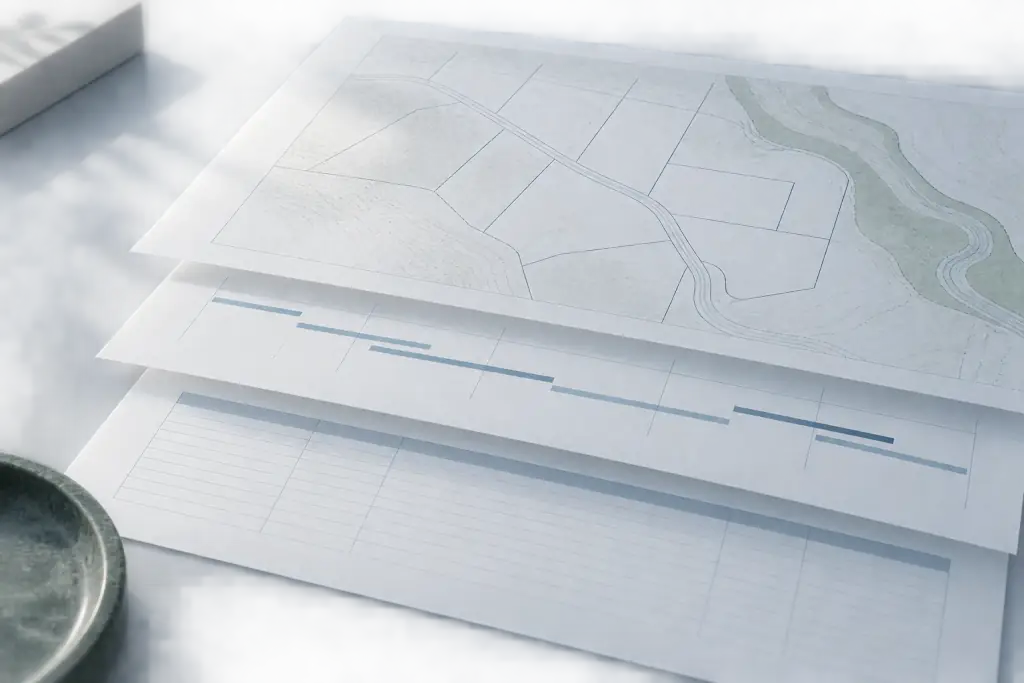
A clearer starting point
Environmental due diligence can feel technical and unfamiliar. We make the first step easier to understand, so you can move forward with more confidence.
A few details help us understand the site and the kind of review you need.
We’ll organize the next step around your transaction or project schedule.
Get a practical path toward qualified Phase I ESA support.
Built around the decision in front of you
Choose the situation closest to yours to see which property, transaction, and timing details deserve attention first.
For an office, retail site, industrial building, multifamily property, or vacant parcel, environmental due diligence is often part of the acquisition process. Start with the location, transaction stage, and closing timeline.
Financing teams may have their own requirements and documents. The Planner helps you organize the property details and lender instructions you already have before requesting the next step.
Redevelopment brings property, financing, planning, and environmental questions together. Sharing the intended use and project timing helps frame the initial request.
You can use the Planner while you are still learning. If an answer is unknown, say so. A useful starting point is better than waiting until every detail is settled.
Start with context
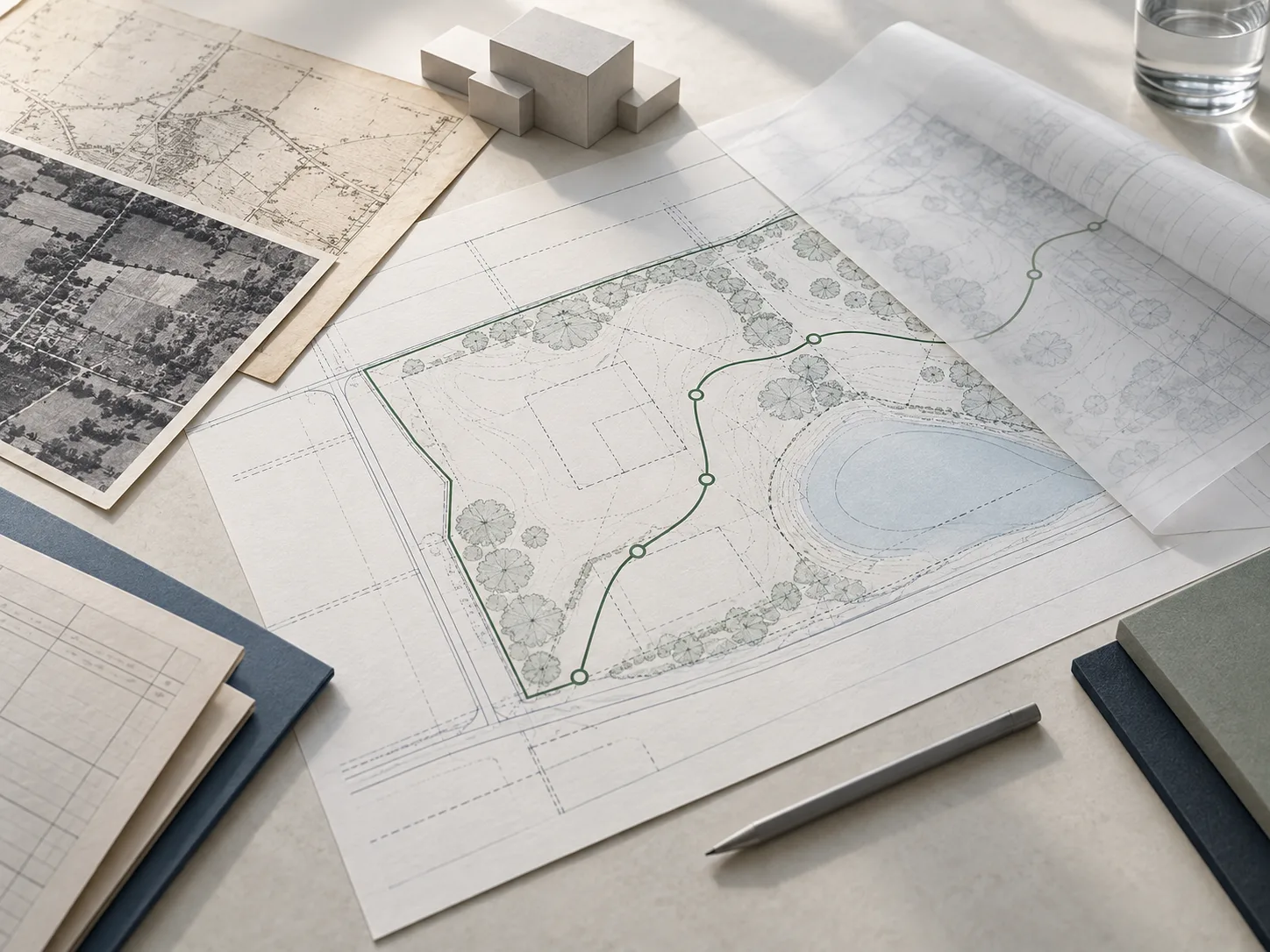
A Phase I Environmental Site Assessment is a structured review of a property’s current and historical use, records, surrounding conditions, and potential environmental concerns. It is commonly requested during commercial real estate transactions, financing, and redevelopment planning.
The right scope depends on the property, the transaction, and what the review needs to answer. Start by identifying the site and the decision in front of you.
Explore your project path →Before you begin
Bring the property address or city, its current or intended use, the transaction type, and the date you are working toward. If you have lender or attorney instructions, keep them nearby. An older report, prior site information, or a known concern can also help.
It is fine if some answers are unknown. Begin with what you can confirm and keep the open questions visible for later review.
Organize my project details →DFW coverage
The Dallas–Fort Worth metro area includes communities where commercial property transactions, financing, and development activity often cross city boundaries.
Begin with the city or ZIP code you know. Availability can depend on the property location, service requested, property type, timeline, and provider capacity, so coverage is confirmed for the specific request.
Local planning information can explain a property’s setting, but it does not replace a property-specific environmental assessment.
Check my property location →How the next step is checked
Environmental work depends on the property and the transaction. The site is designed to make those checks visible before a professional conversation begins.
01 · Standards
For Phase I ESA work, EPA identifies All Appropriate Inquiries and recognizes ASTM E1527-21 as consistent with the federal rule. The environmental professional must confirm the standard, scope, intended user, and reporting requirements for the specific assignment.
Review the EPA reference02 · Process
The Planner collects the property, transaction, timing, and contact context. The request can then be reviewed for an appropriate environmental consulting conversation. Scope, timing, provider fit, and deliverables remain subject to professional confirmation.
See what the Planner collects03 · Coverage
A metro label is not a blanket availability promise. Coverage is evaluated by service, property type, location, timing, and provider capacity. If a match is not confirmed, the request remains a review item rather than a false guarantee.
Review DFW coverage languageWhat this proves: ClearPath explains the governing reference, the handoff process, and the limits of coverage. It does not present an unverified provider roster or imply that the site itself performs environmental work.
Clear role disclosure
ClearPath Environmental is designed to help you organize a project request and understand what information may be useful next. The Planner does not perform a Phase I ESA, inspect a property, determine whether contamination exists, or replace advice from a qualified environmental professional.
When a visitor chooses to request assistance, the submitted details and contact consent can be reviewed for an appropriate environmental consulting provider. Any provider, scope, timing, and conclusions must be confirmed for the specific property and project.
Keep learning
A plain-language starting point for understanding the purpose, limits, and common transaction context.
Read the guide →PlanningThe information and timing questions buyers often organize before requesting environmental support.
See the preparation path →LocationHow location, project context, and provider availability shape the next step.
Review DFW coverage →Common questions
No. Start with the property, transaction, and timeline information you have. A qualified provider and any relevant lender or attorney can help clarify the appropriate scope.
Yes. The flow includes a research path and does not assume you are ready to request a project immediately.
No. It is a planning and intake tool. It does not replace site investigation, professional judgment, or a completed environmental report.
Your answers are organized into a project summary. If you request assistance and provide contact consent, the request can be reviewed for an appropriate next conversation.
What to expect
Begin with the property facts you have, then use the project summary to guide the next decision.
Start with your property →